Comparing master-planned communities in Cypress can feel like choosing a lifestyle as much as a home. You want great amenities, clear rules, and costs that fit your budget. In this guide, you will learn what amenities are common in Cypress, how access and fees usually work, and the documents and questions that help you make a confident choice. Let’s dive in.
Common amenities in Cypress
Cypress is a large unincorporated area in northwest Harris County with many master-planned neighborhoods built since the 1990s. Most communities bundle several amenities that shape daily life.
Clubhouses and centers
Many communities include a clubhouse or community center for gatherings and classes. You may find party rooms, catering kitchens, and meeting spaces. Most require reservations for private events and charge rental fees. Hours are set by the association and posted in the rules.
Pools and splash pads
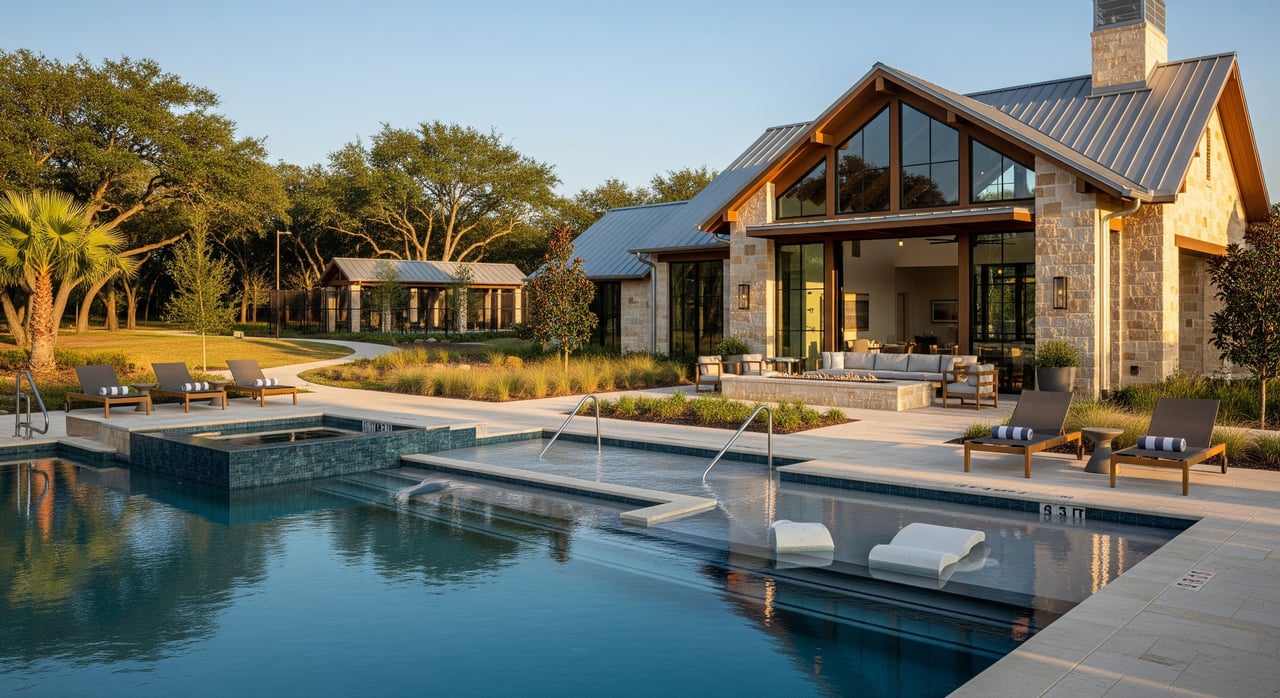
Expect resort-style pools, lap lanes, family pools, and toddler splash pads. Some offer lazy rivers or pool houses with showers. Access is often controlled by resident cards or wristbands, with guest policies in place. Lifeguard schedules and seasonal closures vary by community.
Trails and greenbelts
Paved walking and biking trails, pocket parks, and natural areas are common selling points. Trails often connect parks, playgrounds, and activity hubs. Look for off-street routes if you value biking or walking to destinations within the community.
Fitness and sports
On-site fitness centers can include cardio machines, weights, and group fitness rooms. Outdoor options may include tennis or basketball courts, volleyball, and multi-purpose fields. Some communities partner with trainers or run leagues, which can have extra fees.
Playgrounds and youth spaces
Play areas may be age-segmented and include splash pads, skate parks, or bicycle pump tracks. Parents often appreciate stroller-friendly paths and nearby restrooms. Safety and accessibility features vary, so review posted rules and maintenance records when available.
Dog parks and pet features
Off-leash fenced areas are common and may include separate small-dog sections. Communities set rules for hours, leash use outside the park, and waste removal. Fines can apply for violations under HOA rules.
Lakes and water access
Some neighborhoods feature man-made lakes with non-motorized boating or fishing piers. Use may require waivers, specific rules, or a separate rental program for equipment. Review posted restrictions before you assume access is included.
Golf and club dining
A few master plans include golf courses or country-club-style dining. These are often public, semi-private, or structured as separate memberships. Fees, initiation costs, and access hours are typically independent from standard HOA dues.
Community events and programs
Many associations host farmers markets, holiday festivals, outdoor movies, fitness classes, and camps. Some events are free to residents while others require sign-ups or fees. A robust calendar can signal an active community culture.
How access and fees work
Understanding who operates each amenity will help you plan costs and expectations.
HOA governance layers
- Master associations commonly own major amenities like trails and community centers.
- Sub-associations may manage gates, landscaping, or small parks for specific sections.
- Public streets or parks dedicated to the county are open to the public. Private amenities remain under HOA control.
Typical fees and schedules
- Regular assessments fund maintenance, staffing, utilities, programming, and reserves. Payments can be monthly, quarterly, or annually.
- Special assessments may cover large projects or shortfalls. Approval rules depend on the governing documents and Texas law.
- Transfer or resale fees are often charged at property sale for administration and capital contributions.
- Amenity-specific charges can include club memberships, event rentals, class fees, or boat storage.
- Private clubs may require an initiation fee plus monthly dues.
What is mandatory vs optional
- Base HOA dues that support core common areas are usually mandatory for all owners in the association.
- Club-style features such as golf, boating concessions, or private dining are typically optional with separate membership costs.
- In new phases, a developer may temporarily subsidize operations. Dues can change when ownership transitions to the association.
Access control and rules
- Communities often use key cards, gate codes, or staffed check-ins.
- Guest policies set limits and may require sign-ups or fees for regular non-resident use.
- CC&Rs and rules outline enforcement and potential fines for misuse.
Long-term maintenance and risk
- Healthy reserve funds help cover large repairs such as pool resurfacing or roof replacement.
- Associations carry liability insurance for common areas. Review coverage details for recreation facilities.
Match amenities to your lifestyle
Daily routine fit
- If you plan to swim often, ask about water temperature, seasonal closures, and lap lanes.
- For early workouts, check gym hours and access rules.
- If you prefer walking or biking inside the neighborhood, confirm trail routes and connections to parks.
Age and future needs
- Near-term needs might include splash pads, playgrounds, or kids’ camps.
- Long-term, look at fitness options, social clubs, and programming variety.
- Communities with diverse offerings can support changing routines over time.
Location within the neighborhood
- Homes near pools or clubhouses may experience more activity and traffic.
- Proximity can be convenient if you use amenities often.
- Review site maps to decide what balance works best for you.
Budget and total cost of ownership
Build the full cost picture
- Add base HOA dues, likely program fees, and optional memberships you expect to use.
- Ask about recent special assessments to understand trends.
- Request the current dues schedule and payment terms.
Predictability matters
- Strong reserve funding and transparent budgets reduce surprise costs.
- Review financial statements and reserve studies when available.
Mortgage qualification
- Lenders consider HOA dues in your debt-to-income ratio. Knowing dues early can help your pre-approval stay accurate.
Safety, maintenance, and accessibility
Maintenance standards
- Ask for maintenance records or inspection reports for pools and play areas.
- Look for clear schedules for repairs and updates.
Lifeguards and staffing
- Confirm lifeguard presence, training, and posted supervision rules.
- If lifeguards are seasonal, understand the off-season policy.
Accessibility features
- Check for ramps, accessible restrooms, and ADA-compliant paths.
- If accessibility is essential for your family, verify details in writing.
Social and cultural fit
Programming level
- A full calendar of events indicates an active social scene.
- Minimal programming may suit those who prefer quiet common areas.
Rules and enforcement
- Board meeting minutes and enforcement records can show the tone of rule enforcement.
- Choose a community that matches your preferences.
What to request and ask
Documents to request
CC&Rs, bylaws, and rules that govern amenity use and guest policies.
Most recent annual budget and financial statements.
Reserve study and reserve funding plan.
Board meeting minutes for the past 6 to 12 months.
Current dues schedule, payment terms, and pending special assessments.
Amenity rules, hours, safety policies, and staffing schedules.
Contracts with any third-party operators such as clubs or lifeguard services.
Insurance declarations for common areas.
Amenity map and any public dedication agreements.
Questions to ask
- Which amenities are owned by the master association and which are privately operated?
- Are any amenities membership-based or fee-based beyond standard dues?
- What capital projects required special assessments recently? Are any planned?
- How are guests handled and are there guest fees for frequent visitors?
- What are daily and seasonal hours for pools, gyms, and clubhouses?
- Are waivers or specific insurance requirements needed for certain activities?
Red flags to watch
- No recent reserve study or low reserves for high-cost assets.
- Frequent or large special assessments.
- Unclear ownership of major amenities or the potential for operator changes.
- Restrictive guest rules that conflict with how you plan to use the amenities.
- Rules that change often or inconsistent enforcement.
Next steps
You deserve a home and community that fit your daily life and your budget. Start by shortlisting the amenities you will use most, then gather documents and compare costs side by side. When you are ready, get local guidance to navigate dues, access rules, and long-term plans.
Have questions about a specific Cypress community or need help reviewing HOA documents? Reach out to Kesley Flanagan for a friendly, thorough walkthrough of your options.
FAQs
What amenities do Cypress master-planned communities include?
- Expect a mix of clubhouses, pools and splash pads, trails, fitness centers, sports courts, playgrounds, dog parks, lakes with non-motorized access, and community events.
How do HOA dues and amenity fees work in Cypress?
- Base HOA dues fund core operations and reserves, while optional amenities such as golf or certain programs may require separate memberships, class fees, or event rentals.
Are golf courses and lakes included with homeownership?
- Not always; golf and some water activities can be operated by third parties with separate fees, waivers, or initiation costs, so confirm ownership and membership details.
What documents should I request before buying into a Cypress HOA?
- Ask for CC&Rs, bylaws, rules, budgets, financials, reserve study, board minutes, dues schedules, amenity rules and hours, insurance declarations, and any operator contracts.
How can HOA dues affect my mortgage qualification in Texas?
- Lenders include HOA dues in your debt-to-income ratio, so knowing dues early helps align your pre-approval and monthly budget.