Thinking about living in Greater Heights and torn between a townhome and a classic bungalow? You are not alone. Both options can work well here, but they trade space, maintenance, HOA rules and price in different ways. In this guide, you will see clear local ranges, real examples and a simple checklist to help you choose with confidence. Let’s dive in.
Quick comparison at a glance
| Factor | Townhome | Bungalow |
|---|---|---|
| Typical price entry | Often low $300ks to mid-$400ks for many units in the Heights core | Widely varied; modest originals mid-$400ks to $800ks, renovated/expanded homes high six figures to $2M+ |
| Maintenance profile | Lower exterior work when HOA covers common items; monthly HOA fee applies | Higher routine and capital upkeep, especially on older homes |
| Private outdoor area | Small yard, patio, balcony or rooftop deck | Larger front/back yards on 4,000–7,500 sq ft lots typical |
| Parking & guests | 1–2 garage spaces; guest parking can be tight near busy nodes | Driveways and garages common; on-street near corridors can fill up |
| HOA presence | Common; rules and dues vary | Less common; many single-family lots with no HOA |
| Walkability feel | Often closer to retail nodes; more urban | Quieter porch blocks; “neighborhoody” feel |
What prices look like in Greater Heights
Recent neighborhood medians generally fall between about $600,000 and $675,000 depending on the data source and how inventory is defined. HAR reported a $675,000 median in Dec 2025. New construction commonly ranges from about $499,000 to over $2 million, with a reported median near $697,450. That split shows how renovated bungalows and premium builds push averages up while many townhomes provide lower entry points.
What this means for you: bungalows on larger lots and on curbed, historic blocks often command a premium, while townhomes and newer infill homes can get you inside the neighborhood footprint at a lower price. Plan with the ranges above, then confirm current comps on the exact block before you write an offer.
Size, age and layout
Bungalows
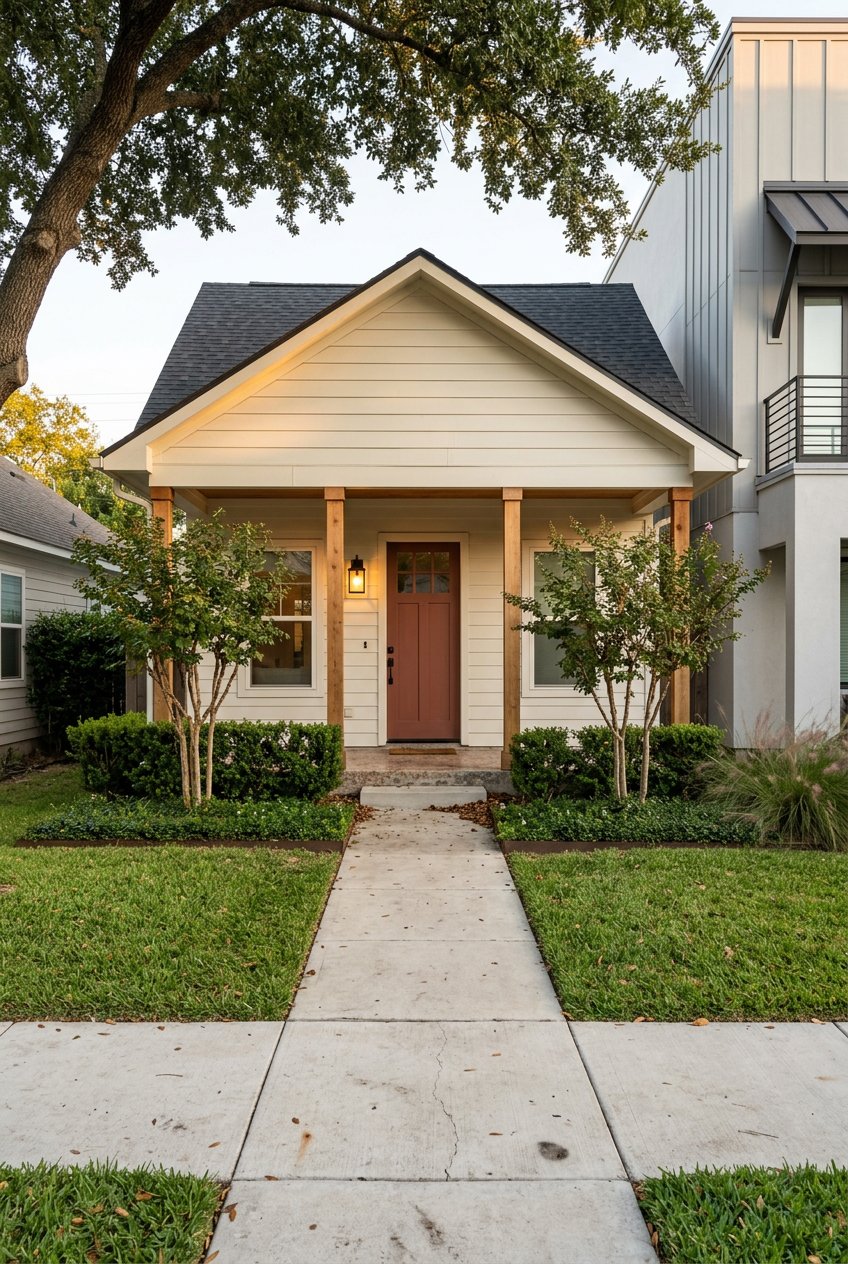
You will find many early 20th-century Craftsman and period bungalows in Greater Heights. Sizes range widely from about 1,300 to over 3,300 square feet depending on expansions. Typical lots often run 4,000 to 7,500 square feet in premium blocks. Recent examples include expanded Craftsman homes above 3,300 square feet on 7,500 square foot lots, with listing prices around the upper six figures to multiple millions.
Townhomes
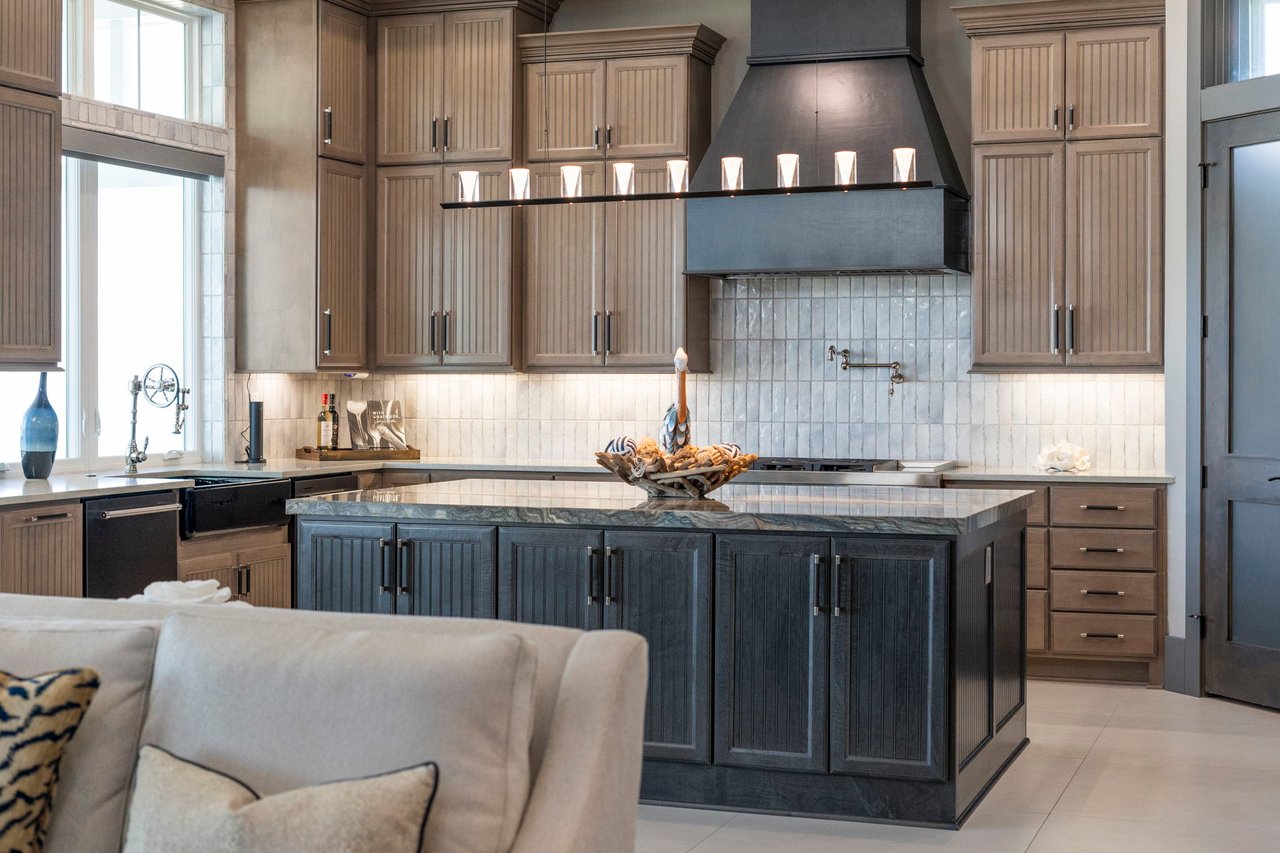
Most townhomes are modern infill from the 2000s to 2020s, commonly two to three stories with narrow footprints and vertical living. Many units run roughly 1,200 to 2,400 square feet and sit on much smaller lots. In the Heights core, recent townhome asking prices often show in the low $300ks to mid-$400ks for a large share of units, with larger or higher-spec homes above that. Some developments have monthly HOA dues in the roughly $100 to $300 range; one local listing showed about $209 per month, but services vary by community. You should verify the exact fee and what it covers in the HOA documents. HAR’s local writeup includes examples and context.
Maintenance and total monthly cost
Older single-family homes can require more frequent upkeep and occasional big-ticket projects. A common rule of thumb is to budget about 1 to 3 percent of a home’s value per year for maintenance and repairs, with older properties often needing more. For a deeper explainer, see this overview of the 1 to 3 percent home maintenance rule.
Townhomes can reduce personal exterior chores if the HOA covers items like roof, landscaping, gate and lighting. Those costs show up as a recurring monthly fee. Lenders often count HOA dues in your qualifying debt-to-income ratio, so higher dues can reduce borrowing capacity. If you are comparing two homes at similar prices, ask your lender how each HOA affects approval and monthly payment. This guide on how monthly costs impact buying power is a helpful starting point.
Outdoor space and parking
Bungalows
Expect a true front porch, a usable backyard and side yards. Many homes include room for gardens, play areas or even pools on the larger lots. Parking often includes a driveway and a detached or attached garage. Street parking is common, and spots can fill near 19th Street and other commercial corridors during peak times.
Townhomes
Private outdoor space is usually a small fenced yard, patio, balcony or a rooftop deck. Some communities offer shared green areas. Most units provide one to two garage spaces, often via alley access. Guest parking can be tight near busy nodes, so confirm on-street rules and HOA guest policies for your exact block. HAR’s Heights guide notes parking as a frequent concern near commercial areas.
Walkability and neighborhood feel
The Heights is one of Houston’s more walkable areas, with active corridors like 19th Street, Heights Boulevard and Heights Mercantile. Walkability and street vibe vary block by block. Townhome clusters often sit closer to retail nodes and feel more urban. Bungalow streets with front porches tend to feel quieter and more residential. This HAR overview explains how walkability differs inside the neighborhood.
Who each home fits
Porch + yard family
If you want outdoor play space, mature trees and room to expand, a bungalow on a larger lot is often the best fit. You will likely pay a premium for the lot and block quality and should plan a larger maintenance and property tax line in your budget. Renovated bungalows with pools and large yards are common premium listings.
Walkable urban professional
If you prioritize a short walk to restaurants, coffee and shops, plus low exterior maintenance, a townhome near core corridors is a strong match. Entry prices often land below comparable single-family homes on larger lots. Pay attention to HOA dues, parking rules and on-street guest options.
Value investor or entry buyer
If you are value-focused, consider a townhome or a smaller bungalow that needs cosmetic work. Townhomes can provide a lower nominal price inside the same area, but mid-price segments can also see more competition. A live CMA and an on-block comp check will help you spot true value.
Two real-world style examples
- Renovated bungalow example: About 3,300+ square feet on a roughly 7,500 square foot lot, expanded Craftsman styling, porch and sizable backyard. Recent list prices for this profile can reach the upper six figures to around $1.9 million depending on finish level and exact block.
- Townhome example: Around 1,800 square feet across three levels, two-car garage, small yard or balcony, and HOA dues near $200 per month. Recent asking prices often land around $400,000 to $450,000 for this size and location profile.
How to compare them quickly:
- Annual upkeep: Using the 1 to 3 percent rule, a $1,000,000 bungalow suggests $10,000 to $30,000 per year in maintenance planning, versus $4,000 to $13,500 for a $450,000 townhome. Your inspection and seller disclosures will refine this.
- Monthly cost: Add HOA dues to the townhome’s mortgage, taxes and insurance. Confirm with your lender that dues count in qualifying. A higher-dues project may lower your approved purchase price relative to a no-HOA bungalow.
Due diligence checklist for Heights homes
Use this list during your option period and make these items part of your contingencies:
- Flood checks: Run the exact address through FEMA and Harris County Flood Control draft or preliminary maps. Ask for any elevation certificate and prior flood-claim history. Learn more about ongoing map updates discussed by local flood-control sources.
- Historic districts: If the home sits in a local historic or conservation district, visible exterior changes may require a Certificate of Appropriateness. Review prior COAs and timelines during due diligence. See the City’s Historic Preservation guidance and COA process.
- HOA documents (for townhomes): Request the full packet: budget, reserves, meeting minutes, rules on rentals and parking, insurance coverage and any special assessments. HAR’s Heights overview notes HOA fees vary, with one local example near $209 per month. Review HAR’s neighborhood context here.
- Maintenance budget: Set aside about 1 to 3 percent of home value per year, adjusting up for older homes.
- Lender check: Ask if HOA dues count in DTI and whether the project’s status affects loan programs. See this overview of how monthly costs factor into buying power.
- Parking & guests: Confirm assigned garage spaces and the real on-street picture for evenings and weekends. HAR’s guide highlights guest-parking pressure near 19th Street.
Next steps
Choosing between a townhome and a bungalow in Greater Heights comes down to how you trade outdoor space, maintenance and monthly costs for price and walkability. If you want help pressure-testing the numbers on a specific block or reviewing HOA and inspection findings, we are here to guide you from first tour to closing.
Ready to compare live options and run a block-by-block CMA? Connect with Kesley Flanagan to start your Heights search with a clear plan.
FAQs
What are typical HOA fees for Heights townhomes?
- Many developments show dues in the roughly $100 to $300 per month range, with one local example near $209. Always verify the exact fee and what it covers in the HOA documents.
Are Heights bungalows affected by historic district rules?
- Some blocks fall within local historic or conservation districts, where visible exterior changes require a City review and a Certificate of Appropriateness. Confirm status during your option period and plan approval time.
How risky is flooding in Greater Heights?
- Flood risk varies by block and maps are being updated. Run the exact address through FEMA and Harris County Flood Control draft or preliminary maps, and ask for any elevation certificate and prior flood-claim history.
How do HOA dues impact my mortgage approval?
- Lenders typically include HOA dues in your debt-to-income ratio, which can reduce borrowing capacity. Ask your lender to model different HOA scenarios before you shop.
Are townhomes cheaper than bungalows in Greater Heights?
- Often, yes for entry prices. Many townhomes in the Heights core list from the low $300ks to mid-$400ks, while renovated bungalows on larger lots frequently sell at higher prices. Always compare current comps on the exact block.
How much should I budget for bungalow maintenance?
- A common rule is 1 to 3 percent of home value per year, adjusted up for older systems or deferred maintenance. Your inspection report will help refine the number for a specific house.