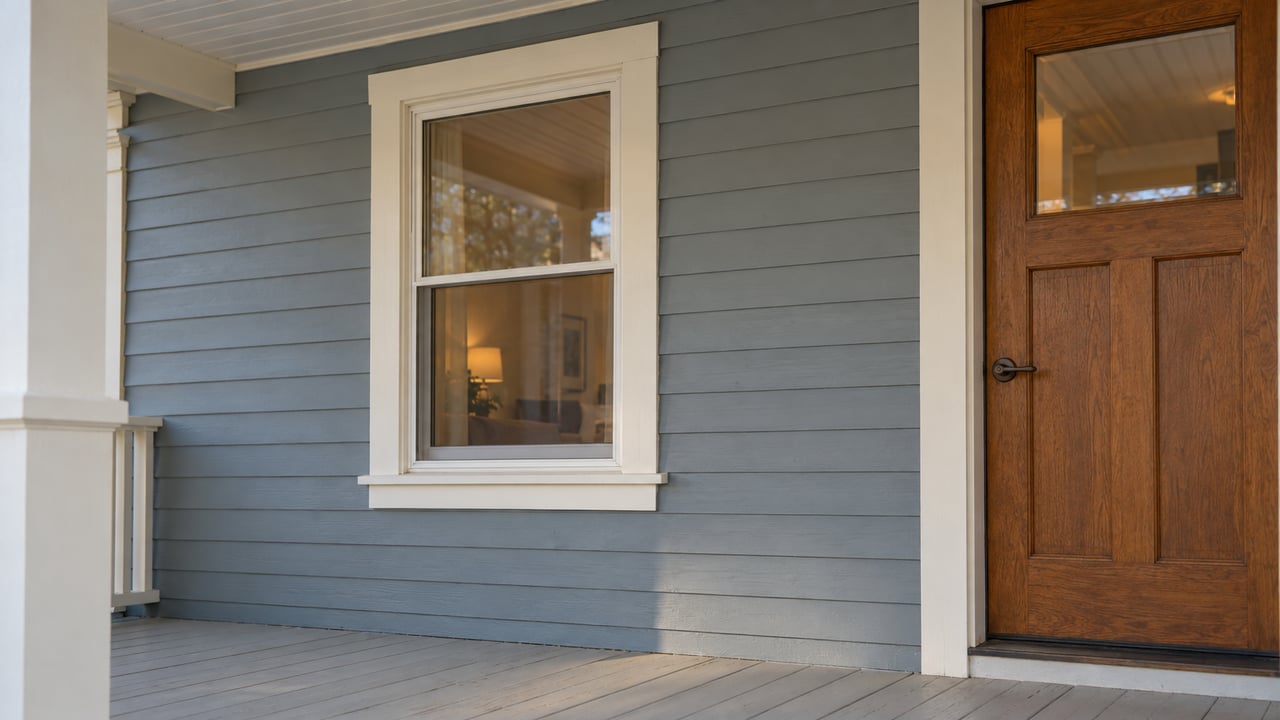
On May 21, 2026, the Houston Archaeological and Historical Commission reviewed a proposal for a 1,235-square-foot Craftsman bungalow on Arlington Street, built around 1915. The owner wanted to restore the home's original L-shaped front porch and remove additions that didn't match the house's original design. The application spelled out exactly what the commission would check: floor area ratio capped at 2,904 square feet, lot coverage capped at 2,640 square feet, plate heights, eave heights, side setbacks, and a requirement that any new materials match the house's original wood siding and porch details.
That's a lot of scrutiny for a porch. And it's the ordinary experience of owning a home inside one of Houston Heights' three historic districts. A few blocks away, in Brooke Smith or Shady Acres, an owner making the same change would just call a contractor.
The Boundary a Listing Photo Won't Show You
"Houston Heights" gets used as a single name for a neighborhood that is really a patchwork of distinct regulatory zones. Three sub-areas carry an official historic district designation with written design guidelines: Houston Heights East, Houston Heights West, and Houston Heights South. Inside those boundaries, any exterior change to a contributing structure needs a Certificate of Appropriateness (COA) from the Houston Archaeological and Historical Commission before work starts.
Just outside those three districts, in areas like Brooke Smith, much of Shady Acres, and parts of Sunset Heights, no historic overlay applies. A buyer there can tear down and rebuild under standard City of Houston permitting, the same process used anywhere else in the city.
The two other historically significant pockets nearby, Norhill and Woodland Heights, carry their own separate historic protections, distinct from the Heights East/West/South guidelines. So the honest answer to "is this house in a historic district" is never "yes because it's in the Heights." It's "check the specific lot."
The fastest way to check is the city's historic district map, maintained by the Planning and Development Department, which currently lists 23 historic districts citywide along with 305 landmarks and 213 protected landmarks. A title commitment will also state the designation explicitly, and during a Texas option period, the inspection report usually notes it too. None of that shows up in listing photos, and none of it changes what the house looks like from the street today. It changes what you're allowed to do to it tomorrow.
What a Certificate of Appropriateness Actually Covers
Inside the three regulated districts, the COA process governs anything visible from the public right-of-way: roof pitch and shape, porch structure, window proportions, siding material, additions, and in some cases exterior paint. Interior renovations are largely unrestricted, with one specific exception that catches people off guard: original shiplap can't be removed from a home, though it can be covered with sheetrock.
Some categories of exterior work are exempt from review, including in-kind reroofing that doesn't change the roof's shape, along with routine items like gutters and downspouts. Everything else visible from the street, including window replacement, generally needs sign-off, since windows are treated as exterior construction requiring commission approval regardless of how minor the swap feels.
Two rules trip up buyers who come from newer suburban construction. The first is garage placement: detached garages and carports are expected to sit behind the house, in the rear half of the lot, while attached garages and front-facing garages are generally considered incompatible with the district's character. The second is a prohibition on mixing architectural styles within a single renovation. The guidelines are specific that a design combining, say, Victorian trim with contemporary window lines is more likely to run into trouble than one that commits to the home's original style throughout.
"You can always build new. You can't build old."
That line came from a Heights-based designer during the public debate over the city's original preservation guidelines, and it captures the tradeoff plainly. The rules exist to keep the district's original architecture intact, which means the renovation has to work inside a fixed vocabulary rather than borrowing freely across eras.
The Same Bungalow, a Different Set of Rules Two Blocks Over
Demolition is where the boundary matters most. Inside Heights East, West, or South, tearing down a contributing structure and building new requires HAHC approval for both the demolition and the replacement design, and the new house has to fit the district's established pattern. That process is slower than a standard teardown and constrains what the replacement can look like.
Step outside the three districts, into Brooke Smith or Shady Acres or the un-overlaid parts of Sunset Heights, and tear-down-and-rebuild is routine, using standard City of Houston permitting with no design review tied to historic character. Two buyers can walk into open houses a few blocks apart, both looking at 1920s bungalows on similar lots, and face completely different timelines and design constraints depending on which side of an invisible line each house sits on.
What Compliance Actually Costs, and What Offsets It
Sourcing historically appropriate materials, matching original profiles, textures, and scale, tends to add roughly 10 to 20 percent to renovation costs when custom millwork or specialty siding is required to match the original. That's a real number to plan around before making an offer on a home you intend to update.
There's an offsetting factor worth knowing. Projects that receive an approved COA are eligible for a 50 percent discount on building permit fees, and in some cases a City of Houston tax exemption. A denied COA doesn't get either benefit, which is one more reason to talk to Historic Preservation staff before finalizing a design rather than after.
The process itself now runs through the city's Historic Preservation Tracker, an online filing system, with applications due by noon on the posted deadline. Once a COA is approved, city inspectors check the completed work against it, and a project that drifts from the approved scope can trigger a stop work order, which carries the force of law.
How to Verify Before You Write the Offer
A buyer serious about renovating a Heights property benefits from confirming the regulatory status before removing option-period contingencies, not after.
- Pull up the property on the city's historic district map to see if it falls inside Heights East, West, or South, or in a separate district like Norhill or Woodland Heights.
- Read the title commitment closely. Historic designation is stated there explicitly.
- Ask the inspector during the option period to flag it directly. It usually shows up in the report.
- If any exterior change is planned, contact the Historic Preservation Office before finalizing drawings. Staff can tell you whether a specific project is exempt, needs administrative review, or requires a full commission hearing.
- Check for a neighborhood association's own deed restrictions in addition to city rules. Historic district status and deed restrictions are separate layers that don't always overlap.
Frequently Asked Questions
Does historic district designation automatically raise my property taxes? No. Designation alone doesn't automatically increase property taxes, though improvements made to the property may affect its valuation over time.
Can I ever tear down and build new inside a Heights historic district? Sometimes, with HAHC approval for both the demolition and the replacement design. The review process takes longer than a standard demolition, and the new construction has to fit the district's established pattern.
Do interior renovations need city approval? Generally no. Interior work is largely unrestricted, with the specific exception of original shiplap, which can't be removed but can be covered.
What if my house isn't in Heights East, West, or South, but is nearby? Check the specific address. Norhill and Woodland Heights carry their own separate historic protections, while areas like Brooke Smith, Shady Acres, and parts of Sunset Heights currently have no historic overlay at all.
Buying in the Heights means buying into a set of rules that depends on the exact parcel, not the neighborhood's name. Knowing which regime applies to a specific address before writing an offer saves months of surprise later, especially if a renovation is part of the plan from day one.
If you're weighing a Heights property and want a clear read on what a specific address allows before you write an offer, Topmark Realty Group can help you sort out the district lines before they become part of your renovation budget.