
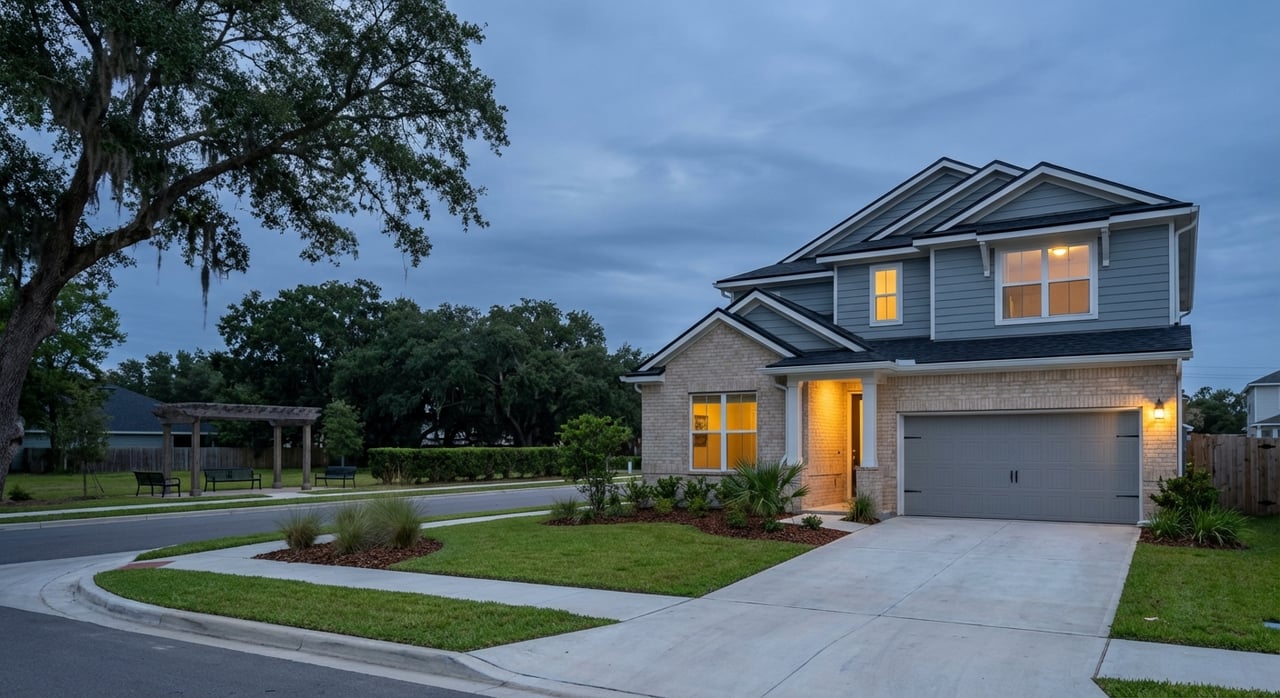
Thinking about a brand-new home in Fulshear but not sure which community fits you best? You’re not alone. With several master-planned options, multiple builders, and different HOA and tax setups, it can feel like a maze. This guide walks you through the key choices, explains how master plans differ, and gives you a simple comparison framework so you can move forward with clarity and confidence. Let’s dive in.
The Fulshear new construction landscape
Fulshear sits on the western edge of the Houston metro and has grown rapidly in recent years. Most new homes are in master-planned communities where you’ll find extensive amenities, on-site or nearby schools, and several builders operating side by side. You’ll see national names alongside established Texas builders, often offering different plans and price bands within the same neighborhood.
A major takeaway: master plans are the engine of new-home supply here. That means your choice is less about a single builder and more about the right combination of community, section, lot, and plan.
Major communities to know
Here are a few of the marquee options in and around Fulshear. Visit each community page to review current maps, amenities, and builder lineups.
- Cross Creek Ranch. A large, amenity-forward master plan known for lakes, trails, and multiple amenity centers. Explore the master plan and builders on the developer’s page for Cross Creek Ranch.
- Cross Creek West. A sister community with new phases and a strong amenities program. Some sections feature 45 to 60 foot homesites. See details on Cross Creek West.
- Jordan Ranch. A master plan with a resort-style pool and lazy river, trail network, and multiple builders. Review the amenity map and updates on Jordan Ranch.
- Fulshear Lakes. A developing community with lakes and greenbelt themes. See the community overview and updates at Fulshear Lakes.
- Fulbrook on Fulshear Creek. A long-standing option with builder neighborhoods and established sections. Ask for current maps and builder lists at the community sales center.
Local note: A new large-scale master plan by a national developer has been announced nearby. Over time, that can influence future supply, retail growth, and road improvements around Fulshear.
Set your priorities first
Before you tour model homes, get clear on what matters most. Three questions will help you filter fast.
Lot vs. house vs. lifestyle
- Lot. Do you want a wider backyard, a water or greenbelt view, or a quieter interior street? Decide your must-haves and deal-breakers.
- House. How many bedrooms, a home office, a 3-car garage, or a single-story plan? Identify the plans that really fit your life.
- Lifestyle. Which amenities will you use weekly versus occasionally? Trails, a fitness center, a resort pool, dog parks, or on-site schools might rank differently for you.
What to compare across communities
Use these side-by-side filters to spot meaningful differences between neighborhoods and builders.
Builder product and contract
- Production vs. semi-custom. Production builders often offer standardized plans with faster timelines and bundled features. Some brands promote inclusive packages, like the “Everything’s Included” approach you may see from large national builders, where many features are in the base price. Always request a written inclusions list so you can compare line by line. For a sense of inclusive positioning, review a national builder’s Everything’s Included announcement.
- Contract policies. Ask about deposits, refund rules, change-order pricing, and remedies for delays. Get a sample contract and warranty summary to review before you sign.
Lot type, size, and orientation
- Lot classes. Many Fulshear master plans offer 45, 50, 55, and 60 foot homesites, with some larger 65 or 80 foot options and occasional estate sections. For example, Cross Creek West has highlighted 45 to 60 foot lots in certain phases.
- Site specifics. Confirm grading and drainage, utility easements, and sun exposure in the backyard. Check proximity to amenity hubs and whether future phases will bring nearby construction traffic. Request the recorded plat and a buildable-area map for any lot you’re considering.
Amenities and timing
- Amenity mix. Resort pools, multi-mile trails, fitness centers, lakes, and on-site schools are common. Cross Creek Ranch and Jordan Ranch both emphasize extensive trail systems and water features.
- Completion schedule. New phases can open before amenities are finished. Ask for the amenity completion schedule and any written commitments. You can also watch local updates, like coverage of a new Cross Creek Ranch amenity complex, to understand timing and scope.
HOA rules, fees, and reserves
- Documents to request. Ask for CC&Rs, bylaws, recent budgets, reserve studies if available, and board meeting minutes. These reveal maintenance scope and whether fees may change.
- Section differences. Fees can vary by section, especially if some areas have extra amenities or landscaping. Always verify current dues with the HOA or management company.
MUDs and property taxes
- What to know. Many Fulshear areas sit inside Municipal Utility Districts. MUDs finance water, sewer, drainage, and sometimes roads or amenities with tax-supported bonds. That adds a separate MUD line to your property tax bill. Learn the basics from this overview of Municipal Utility Districts.
- Verify the numbers. Confirm the taxing entities, current tax rates, and whether a parcel is in a MUD with the Fort Bend County Tax Office. Request the MUD’s current rate and bond schedule from the district or community office.
Schools and boundaries
- Districts. Many Fulshear master-planned sections fall in Lamar CISD, while some portions of large developments, like Cross Creek Ranch, can be in Katy ISD or Lamar CISD.
- Catchments change. Boundaries adjust over time with new campuses and growth. Confirm current school assignments directly with the district before you buy.
A simple step-by-step plan
Follow this checklist to shortlist the right neighborhoods and protect your budget and timeline.
Define your top priorities. Pick your must-haves for home size, lot type, commute time, and amenities. Use this to filter communities.
Shortlist 2 to 4 communities. For each, gather the master plan, amenity map, builder list, typical lot sizes, and on-site school info. A good example of what to look for is the developer’s master plan for Cross Creek Ranch.
Request builder packets. From each builder, ask for a written inclusions list, sample contract, warranty summary, build timeline, and typical incentives. If incentives are tied to a preferred lender, get the details in writing.
Verify recurring costs. Get the HOA documents and confirm the MUD status and historical tax rates. Start your verification with the Fort Bend County Tax Office.
Confirm schools. Call the district or use the district’s assignment tools to verify the current school boundaries for the specific lot.
Inspect the lot and plan. Ask for plats, topographic or grade maps, known easements, and any soils reports. If near flood-prone areas, request an elevation certificate and check FEMA’s Flood Map Service Center.
Model-home and design visit. Separate what is included from what is an upgrade, and get written prices. Ask for allowance amounts for cabinets, counters, and fixtures.
Independent inspections. Plan for a pre-drywall inspection and an 11-month warranty inspection. Many builders use third-party structural warranties. You can review a common program type at 2-10 Home Buyers Warranty.
Compare financing offers. Preferred-lender incentives are common. Compare total APR, fees, and post-buydown payments, not just the headline rate. For context on trade-offs, see Kiplinger’s guidance on builder mortgage incentives.
Use buyer-side representation. An agent experienced with new construction can help you compare communities, review contracts, negotiate concessions, and track milestones from contract to close.
Model-home questions to ask
Use this list during tours or design appointments so you leave with complete, apples-to-apples information.
- What is included in the base price, and can I get a written inclusions list? For a sense of inclusive offerings often marketed by national builders, see the “Everything’s Included” concept in this announcement.
- Which features are structural versus cosmetic? Which upgrades are difficult to add later?
- What is the deposit schedule and cancellation or refund policy? Can I review a sample contract in advance?
- How are change orders priced and approved, and who authorizes schedule changes?
- Which structural warranty is provided, and what does it cover? Ask for the warranty summary. You can review a common program format at 2-10 Home Buyers Warranty.
- What are typical build timelines in this phase, and what causes delays?
- Which lots are in current phases versus future phases? Will construction occur next door after I move in?
- What is the amenity completion timeline for this section? You can see how local progress is tracked in updates like this amenity-construction article.
- Is the home inside a MUD or PID? What is the current tax rate and bond schedule? Learn general MUD basics here, then verify specifics with the Fort Bend County Tax Office.
- What are the current HOA fees, and can I review the last two years of budgets and board minutes? Who manages the HOA?
- Are there completion or occupancy guarantees for promised amenities?
- If there are preferred-lender incentives, which parts are contingent and how do they affect APR and total cash to close? See Kiplinger’s overview for context on evaluating offers.
Three red flags to watch for
- No written inclusions list. If it is not in writing, it is not included.
- No CC&Rs or HOA documents available for review. Always request governing docs and recent budgets before you sign.
- Unclear MUD or tax information. Verify district names, rates, and bond schedules early to avoid surprises.
Quick comparison worksheet
Use this table to compare your top communities. Fill it out using each community’s master plan, builder packets, and HOA or MUD disclosures.
| Criteria | Cross Creek Ranch | Cross Creek West | Jordan Ranch | Fulshear Lakes | Fulbrook on Fulshear Creek |
|---|---|---|---|---|---|
| Lot sizes offered | |||||
| Lot premiums (water/greenbelt/corner) | |||||
| Builders to compare | |||||
| Base inclusions highlights | |||||
| Amenity proximity and timing | |||||
| HOA fees and what they cover | |||||
| MUD status and current tax rate | |||||
| Current school assignments | |||||
| Construction timing by plan | |||||
| Preferred-lender incentives |
Tip: Keep your notes consistent. For each builder, list what is standard versus upgrade and any costs tied to using the preferred lender.
Final thoughts and next steps
Choosing a new-home community in Fulshear is about fit: the right lot, the right plan, and an amenity and tax setup that makes sense for your budget and lifestyle. If you compare communities using the steps above, ask the model-home questions, and verify HOA and MUD details early, you will make a confident choice and avoid costly surprises.
If you want a local pro to help you compare options, review contracts, and negotiate with builders, reach out to Kesley Flanagan. Let’s talk about your next move.
FAQs
How do I choose between new-home communities in Fulshear?
- Start with your top three priorities (lot, house, lifestyle), then compare builder inclusions, HOA and MUD costs, amenity timing, and current school boundaries for 2 to 4 finalists.
What should I look for in a builder’s base price?
- Ask for a written inclusions list and compare line by line across builders, focusing on appliances, windows, countertops, landscaping, blinds, sprinklers, and garage door openers.
How do MUD taxes affect my monthly payment?
- MUDs add a separate tax line that can materially change your carrying costs; verify the district, rate, and bond schedule with the Fort Bend County Tax Office before you sign.
Are amenities always finished when homes are ready?
- Not always; new phases can deliver before amenities are complete, so ask for the amenity schedule and any written commitments, and check local construction updates.
Can I use an independent inspector for a new build?
- Yes; plan for a pre-drywall inspection and an 11-month warranty inspection, and ask the builder how to schedule access for your inspector.