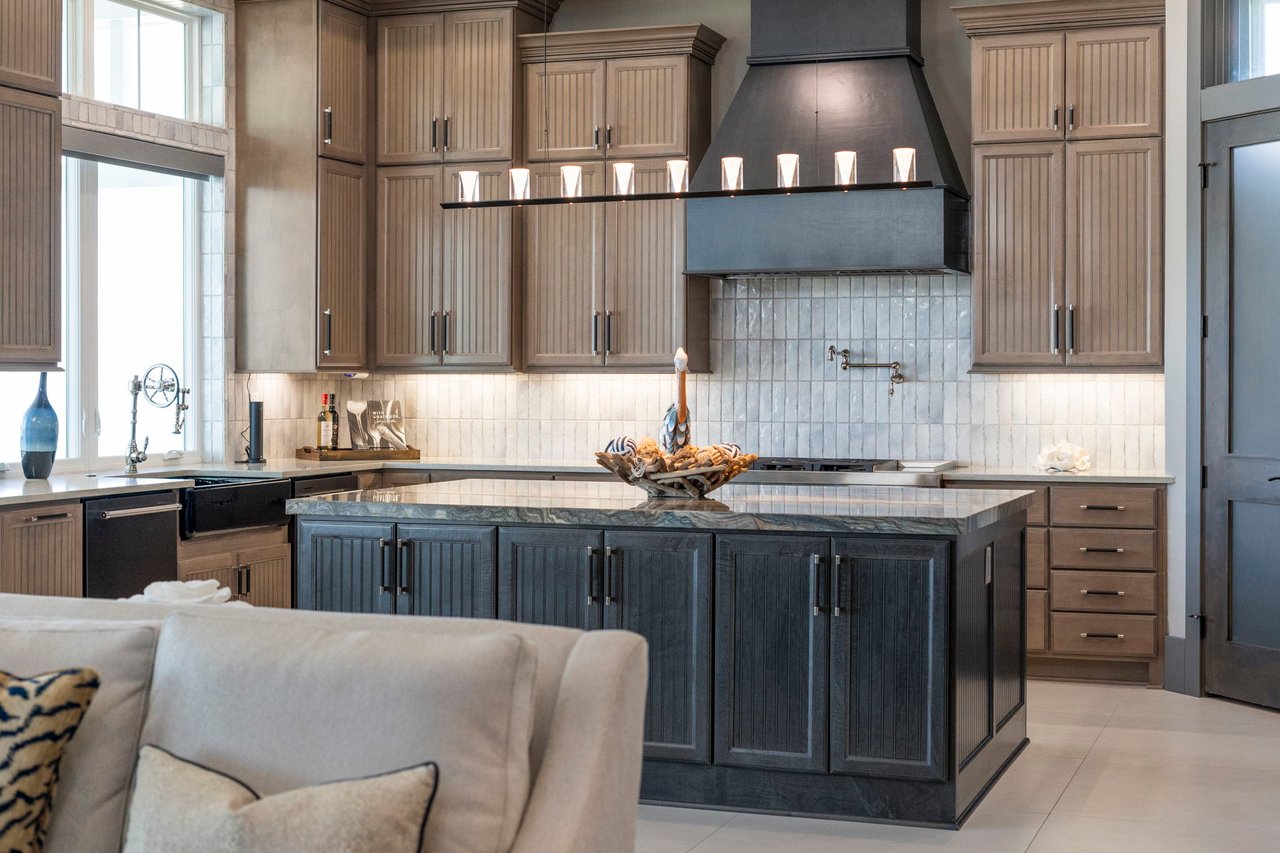
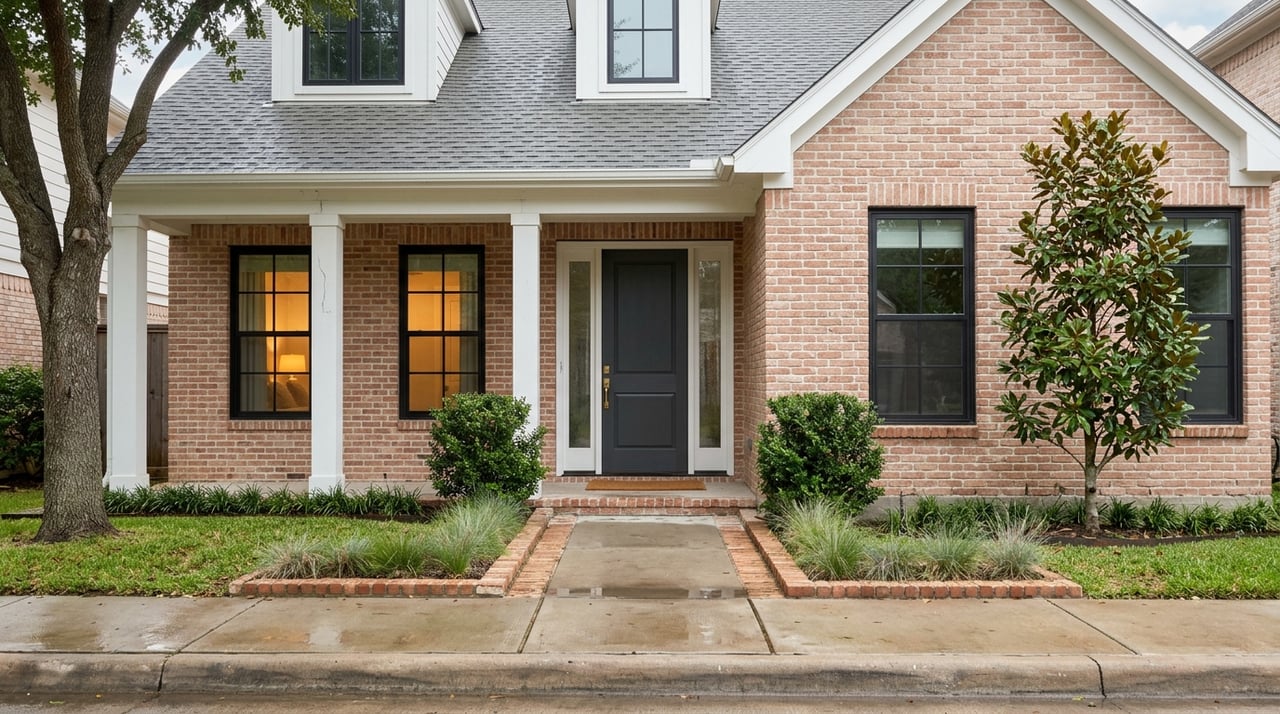
Selling your home in West University Place can feel like a fast-moving, high-stakes process. In a market where pricing, presentation, and timing all matter, you want to know what is normal, what can slow things down, and how to prepare before your listing goes live. This guide walks you through what to expect when selling in West U, from pre-listing prep to closing day, so you can move forward with more clarity and confidence. Let’s dive in.
Why West U Selling Looks Different
West University Place is known for its small-town feel, convenient access to major Houston destinations, tree-lined streets, and well-maintained homes. That matters when you sell because buyers are often reacting to the full setting, not just your home’s size or features. In other words, curb appeal and overall presentation can carry extra weight here.
West U is also a small, high-value market. HAR’s May 2026 snapshot for single-family homes showed an average price of $1,755,380, a median price of $1,820,000, 8 transactions, and 6.5 days on market. Redfin’s rolling three-month view showed a $2.1 million median sale price, up 1.5% year over year, which supports the same big-picture takeaway: this is a premium segment where recent local comparables matter more than broad Houston averages.
Start With a Realistic Pricing Strategy
One of the biggest mistakes sellers can make is treating West U like a market where any well-located home will sell instantly at any price. HAR data shows that days on market have varied, with sold-home timing listed at 4 days in March 2026, 12 days in April 2026, and 6.5 days in May 2026. That kind of swing shows that demand may be strong, but it is not uniform.
This is why pricing should be tied closely to recent West U comps, not general Houston trends. Broader Houston and Texas data show rising seller activity, higher inventory, and continued pricing pressure. Even in a desirable area, overpricing can reduce early momentum and make buyers more cautious.
Prepare Your Home Before Listing
Before your home hits the market, expect a preparation phase. This usually includes cleaning, decluttering, landscaping, visible repairs, and staging. In West U, those steps are especially important because buyers may evaluate your home as part of the neighborhood experience.
The city also actively enforces code compliance related to property upkeep, sanitation, rehabilitation, conservation, safety, and illegal signage. That means small issues you may have ignored for years can become more important once you are preparing for showings. A polished home tends to support stronger first impressions both online and in person.
Focus on What Buyers Notice First
You do not always need a major renovation to improve marketability. In many cases, the highest-impact work is basic but visible.
Focus first on:
- Deep cleaning
- Decluttering and simplifying rooms
- Touch-up paint and minor cosmetic repairs
- Lawn care and exterior cleanup
- Making entry areas feel bright and welcoming
- Staging key spaces for photos and showings
In a high-value market, buyers often expect a home to feel cared for from the moment they arrive.
Plan Ahead for Repairs and Permits
If you are planning meaningful repairs or upgrades before listing, timing matters. West University Place says many projects require permits, including work that builds, repairs, enlarges, alters, or removes structures. If your pre-sale work crosses into that category, you do not want permit timing to disrupt your listing schedule.
The city says complex permit review can take about 10 to 15 business days when the application is complete. Floodplain-related work may also require extra permitting and elevation certificate steps. That is why it is smart to handle larger repair items early rather than trying to squeeze them in right before launch.
Be Ready for Texas Seller Disclosures
Selling a previously occupied single-family home in Texas usually means completing the Texas Real Estate Commission Seller’s Disclosure Notice. This form is used to disclose known material facts and the physical condition of the property. The current version also asks about items such as insurance status, private roads, aboveground storage tanks, and conservation easements.
This is not a form you want to rush through at the last minute. If a seller delivers the notice late, Texas law gives the buyer a seven-day right to terminate after receiving it. A complete and timely disclosure can help reduce avoidable contract risk later.
What Happens Once Your Home Goes Live
Once your home is listed, buyers will usually form opinions quickly. Your online presentation, pricing, condition, and showing readiness all work together. In West U, where market times can be short for the right listing, early momentum matters.
That said, a fast market does not mean every listing moves the same way. If a home is overpriced or does not show well, buyers may hesitate. If it is priced well and presented strongly, interest can come together quickly.
Expect Showings to Reflect Presentation
In a market like West U, buyers are often comparing details closely. They may notice layout flow, upkeep, natural light, landscaping, and overall condition. Clean presentation helps buyers picture the home more clearly and can support stronger offers.
It also helps to keep your home consistently ready during the first days on market. Since some homes move quickly, you do not want to lose early opportunities because of avoidable showing friction.
What to Expect From Offers and Negotiations
Receiving an offer is exciting, but it is usually not the end of the process. In Texas, sellers should expect that negotiation may continue after the initial agreement. Price is only one piece of the contract.
A buyer who pays the agreed option fee has an unrestricted right to terminate for any reason during the option period. That means an accepted offer is not fully secure until that window closes. During that time, inspection findings often lead to repair requests, credit requests, or renewed negotiation.
Common Moving Parts After an Offer
Once an offer comes in, you may be working through:
- Price and closing date
- Option period terms
- Repair requests after inspection
- Appraisal if the buyer is financing
- Title review and document collection
TREC also notes that offers and counteroffers must be presented to the client, and that inspectors, appraisers, and mortgage originators are common parts of the transaction. If the buyer is using financing, the lender typically orders the appraisal, which adds another step before closing.
The Contract-to-Closing Phase
After contract, the transaction shifts into a more documentation-driven stage. The title company or escrow agent becomes central to getting the deal to the finish line. TREC describes title closing as the final step, with the title or escrow agent acting as a neutral third party.
OPIC explains that title agents review public records for issues such as liens, unpaid taxes, and encumbrances. This is one reason some transactions stay on track while others hit delays. Even when a home goes under contract quickly, the closing process can still take time to work through inspections, appraisal, title clearance, and agreed repairs.
Understand Your Net Proceeds
It is easy to focus on the contract price, but your actual bottom line is your net proceeds. OPIC notes that closing costs may include taxes, fees, title insurance, and real estate commissions. That means the amount you take away from the sale will be lower than the contract price.
Reviewing a projected net sheet early can help you plan better. It gives you a clearer sense of how the sale supports your next move, whether you are buying again, relocating, or simply trying to understand your financial picture.
A Realistic West U Selling Timeline
Many sellers hope the process will be over in just a few days. In reality, the full timeline usually includes three different phases: preparation, market time, and contract time. Some parts may move quickly, but the full sale often unfolds over weeks rather than days.
A realistic timeline may look something like this:
| Phase | What it includes |
|---|---|
| Prep phase | Cleaning, repairs, staging, disclosures, permits if needed |
| Market phase | Listing launch, showings, buyer feedback, offers |
| Contract phase | Option period, inspection, appraisal, title work, closing |
If repairs are involved, the prep stage may stretch longer. If a buyer is financing and the transaction hits appraisal or title issues, the contract stage can take additional time as well.
How to Make the Process Smoother
While no sale is perfectly predictable, a smoother transaction usually starts with good preparation. In West U, disciplined pricing, polished presentation, and organized documentation can go a long way. That is especially true in a small, high-value market where buyers are paying close attention.
A strong plan often includes:
- Pricing from recent local comps
- Finishing meaningful repairs before launch
- Checking whether permit work is required
- Completing disclosures carefully and on time
- Preparing for negotiation after inspection
- Reviewing estimated net proceeds early
When you know what to expect, the process feels more manageable and less reactive.
Selling in West University Place is not just about putting a sign in the yard and waiting for offers. It is about preparing your home thoughtfully, pricing it with precision, and navigating Texas contract and closing steps with a clear plan. If you want a more confident selling experience with attentive communication and strong local guidance, connect with Kesley Flanagan.
FAQs
What is the average time to sell a home in West University Place?
- HAR reported 6.5 days on market for West U single-family homes in May 2026, but monthly timing has varied, so your timeline will still depend on pricing, condition, and presentation.
What repairs should sellers make before listing a home in West U?
- Sellers should usually focus first on visible repairs, cleaning, decluttering, landscaping, and staging, while also checking whether larger work may require city permits.
Do sellers in West University Place need permits for pre-sale repairs?
- Many projects in West U require permits, including work that builds, repairs, enlarges, alters, or removes structures, so it is wise to confirm requirements before starting larger projects.
What disclosure form is required when selling a home in Texas?
- Sellers of previously occupied single-family homes in Texas generally must provide the TREC Seller’s Disclosure Notice, which covers known material facts and the property’s condition.
Can a buyer back out after going under contract in Texas?
- Yes. If the buyer pays the agreed option fee, they have an unrestricted right to terminate during the option period, which is why an accepted offer is not fully secure until that period ends.
What costs should sellers expect at closing in West University Place?
- Sellers should expect that net proceeds may be reduced by items such as taxes, fees, title insurance, and real estate commissions.