
Summer storms, sudden lightning, and dust events can knock power out fast in Northwest El Paso. When your home depends on reliable cooling, even short outages or voltage spikes can put your comfort and appliances at risk. You want clear, simple options to protect your HVAC, electronics, and essential circuits without getting lost in technical jargon. This guide walks you through surge protection, safe transfer switches, and generator or battery choices that fit life in Northwest El Paso so you can prepare with confidence. Let’s dive in.
Why storm-ready power matters in Northwest El Paso
Most homes in the area are served by El Paso Electric on the Western interconnection grid. That means the city does not operate on the ERCOT system. If you plan a permanent generator or interconnection equipment, you should coordinate with the utility and the City of El Paso before you install anything.
Our local climate brings extreme heat, monsoon-season storms, lightning, and dust storms. These conditions raise the odds of short outages, voltage disturbances, and lightning-related surges. HVAC control boards, compressors, refrigerators, and built-in appliances are especially vulnerable and can be expensive to repair.
A layered approach to surge protection paired with a safe, right-sized backup option reduces the risk of costly damage and keeps you more comfortable when the grid blips.
Layered surge protection for El Paso homes
A “layered” setup uses protection at the service entrance, at your main panel, and at key outlets. Each layer catches different types of surges.
What each layer does
- Service-entrance surge protection (Type 1 or Type 1/2) sits at or just downstream of the meter or main disconnect. It helps block large external surges from lightning or utility switching.
- Panel or distribution protection (Type 2) mounts at your main or subpanel. It handles leftover surges and internal switching events.
- Point-of-use protection (Type 3) includes quality power strips or in-line devices at outlets for TVs, computers, routers, and small electronics.
What gets protected
Whole-home devices at the service and panel levels help protect fixed appliances, such as HVAC motors and controls, water heaters with electronic controls, refrigerators, and built-in ovens. Point-of-use protection then acts as a last line of defense for sensitive electronics.
Buying and installation basics
- Look for devices tested to UL 1449 standards. Ratings like clamping voltage, joules, and response time matter.
- Hire a licensed electrician to size and install SPDs correctly. Short lead lengths between the device and panel improve performance.
- Treat SPDs as wear items. Replace older devices after major events or when the indicator shows end-of-life.
Quick myth-buster: A cheap power strip will not protect your central A/C’s control board. You need whole-home surge protection to reduce risk to major appliances and HVAC systems.
Safe generator connections with transfer switches
Any generator tied to your home must be isolated from the utility supply when it is on. This prevents dangerous backfeed that can harm line workers and equipment. You do this with either a manual transfer switch or interlock kit, or with an automatic transfer switch.
Why isolation matters
The National Electrical Code requires a transfer device for any generator connected to your home’s wiring. Never hard-wire a generator into the panel without a code-compliant transfer solution. Plan for inspection and, for certain setups, utility notification.
Manual transfer switch vs interlock vs ATS
- Manual transfer switch
- Pros: Lower cost than automatic, works with portable or permanent generators, clearly selects specific circuits.
- Cons: You must switch it yourself, and it usually covers only chosen circuits.
- Interlock kit
- Pros: Budget-friendly if your panel supports it. It physically prevents the main breaker and generator breaker from being on at the same time.
- Cons: Requires the right panel and a dedicated generator breaker. Not automatic.
- Automatic transfer switch (ATS)
- Pros: Senses an outage, starts the standby generator, and switches power automatically. Great for uninterrupted HVAC and essential loads.
- Cons: Higher upfront cost and typically paired with a permanently installed standby generator.
Prioritize which circuits you want on backup. In our climate, you usually focus on HVAC, refrigerator, essential lighting, communications, and any medical equipment.
Portable vs standby generators
Your choice comes down to how often you lose power, your budget, and how hands-off you want the system to be.
Portable generators: benefits and limits
Portable units usually run on gasoline or propane. You start them manually and connect them to selected appliances or to a dedicated inlet with a transfer switch or interlock. They are more affordable, flexible, and ideal for short outages.
The tradeoffs are fuel storage, routine operation during an outage, and typically less capacity. A small portable may power lights and outlets but might not start a central A/C because of the compressor’s high startup current.
Standby generators: set it and forget it
Standby systems are permanently installed, often run on natural gas or propane, and pair with an automatic transfer switch for seamless operation. They can be sized for essential circuits or the whole house.
These units cost more upfront, but they are the easiest to live with during frequent or longer outages. Plan for annual maintenance, including oil, filters, and battery checks.
Battery backup and solar options
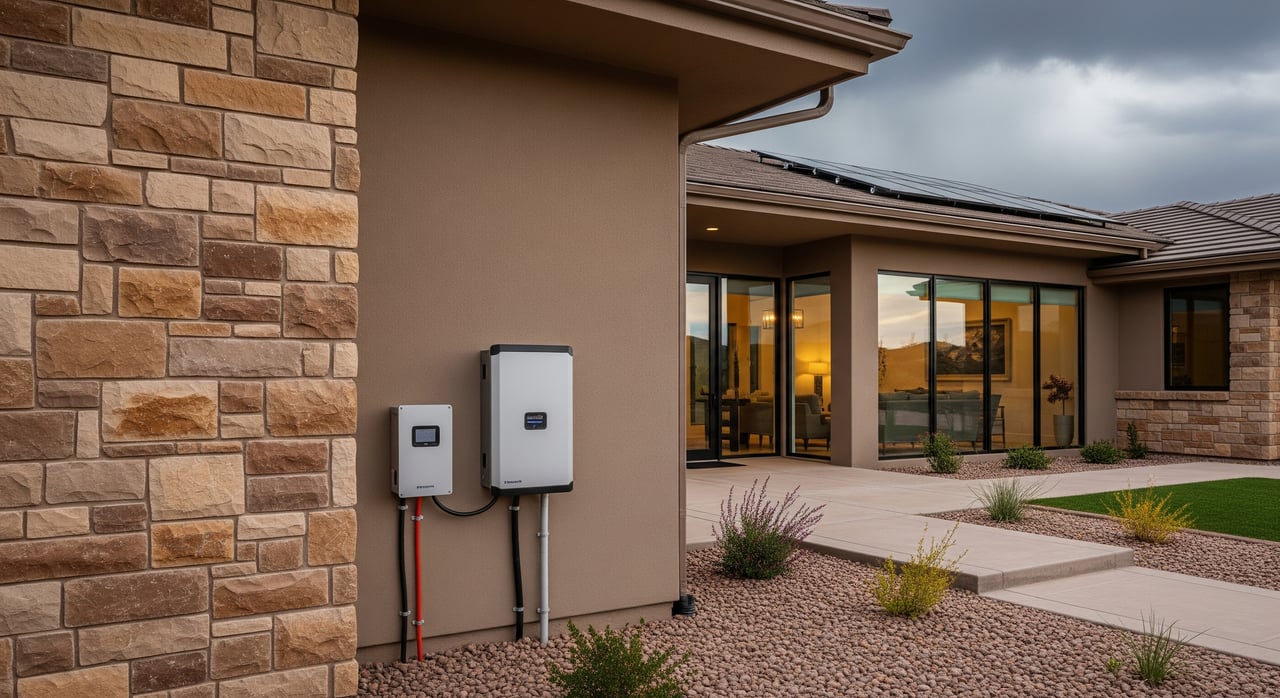
Battery energy storage systems provide instant backup to critical circuits. When combined with solar and the right inverter, you can extend runtime and rely less on fuel. Batteries cost more per kilowatt-hour than many generators, but they are quiet, offer instant switchover, and have fewer local emissions.
If you are exploring solar plus storage, work with a professional who can design for your specific loads and any interconnection requirements.
Sizing your system
Your HVAC’s startup current is the key factor in our heat. A generator that runs lamps may not start an air conditioner. A licensed electrician or generator dealer can calculate running and starting loads and recommend an appropriate kW size.
For a more modest budget, you can choose a portable generator sized for essential circuits and skip the A/C. If comfort is critical, plan for a generator that can reliably start and run your HVAC.
Fuel choices around El Paso
- Natural gas is convenient if your home has access. It offers continuous supply without refueling, but line and meter capacity must be confirmed and installed by licensed pros.
- Propane works when natural gas is not available. You will need a tank and the proper permits.
- Gasoline is common for portables. It is easy to find, but you need safe storage and to manage shelf life.
- Diesel appears on larger standby units. It offers high energy density but has more emissions and maintenance.
Noise and safety reminders
Check City of El Paso ordinances for any noise or setback rules, especially for permanently installed units. Always run portable generators outdoors, away from windows and doors. Carbon monoxide is dangerous. Follow the manufacturer’s safety and ventilation guidance every time.
Permits, inspections, and utility coordination
Permits are usually required for permanent standby generators, gas line work, propane tanks, and specific electrical upgrades. Work should be performed or inspected by licensed electricians and plumbers to meet NEC and local code.
Some installations require notifying El Paso Electric, particularly if you tie into the meter or add interconnection equipment. The City of El Paso handles permit applications and inspections within city limits. In unincorporated areas, check with El Paso County.
Incentives can change often. Federal and state programs may support solar plus storage in some cases, while local utility programs focus on energy efficiency or pilot offerings. Confirm the latest details before you buy.
For insurance, let your carrier know about major equipment and keep your paperwork. Save installation documents, warranties, maintenance records, and photos in case you need to file a claim after a surge or storm.
Your storm-ready plan: quick checklist
- Inventory critical loads. List HVAC, refrigerator, medical devices, communications, lights, and any pumps.
- Talk to a licensed electrician. Ask for a panel evaluation, SPD recommendations, and transfer switch options.
- Compare portable and permanent backup. Request quotes for portable, standby, and battery systems that fit your priorities.
- Confirm permits and coordination. Verify requirements with the City of El Paso or El Paso County and notify El Paso Electric as needed.
- Plan for maintenance and fuel. Set annual service for standby units and safe fuel storage for portables.
- Maintain surge protection. Replace SPDs at end-of-life or after major events, and document replacements.
Final thoughts and next steps
Layered surge protection and the right backup power strategy can save you from expensive repairs and stressful outages in Northwest El Paso. Start with protection at the service and panel, add point-of-use devices for electronics, and choose a generator or battery setup that matches your comfort needs and budget.
If you are planning a move or evaluating a property’s readiness, we can help you think through home systems and connect you with trusted local pros through our referral network. When you are ready to talk about your next step, reach out to Unknown Company. We are here to make your next move smoother and smarter.
FAQs
What is layered surge protection for a Northwest El Paso home?
- It combines service-entrance and panel surge devices with point-of-use protectors. This reduces risk from lightning-related and switching surges that can damage HVAC and appliances.
Do surge protectors stop lightning strikes in El Paso storms?
- No device can guarantee protection from a direct hit. Surge protection reduces the risk from common lightning-related surges and utility switching events.
How do I safely connect a generator to my home in El Paso?
- Use a code-compliant transfer device: a manual transfer switch, an interlock kit, or an automatic transfer switch. This isolates your home from the grid and prevents dangerous backfeed.
Can a portable generator run central A/C during El Paso heat?
- Possibly, but you need a unit sized for the air conditioner’s startup current and a proper transfer setup. A licensed electrician should size the system.
What permits are required for standby generators in El Paso?
- Permanent generators, gas lines, and certain electrical work usually require permits and inspections. Check with the City of El Paso or El Paso County and coordinate with El Paso Electric if interconnection is involved.
Are there incentives for home batteries or solar plus storage in El Paso?
- Incentives change frequently. Federal and state programs may apply to solar plus storage, and local offerings vary. Confirm current programs before you purchase.