Are you dreaming about a Houston neighborhood where you can step বাইরে and actually walk to coffee, dinner, a park, or a trail? In Greater Heights, that lifestyle is possible, but it is not the same on every block. If walkability is high on your list, it helps to know where amenities cluster, what kinds of homes you will find, and what to watch for during showings. Let’s dive in.
Why Greater Heights Feels Walkable
Greater Heights sits inside the 610 Loop and includes Houston Heights, which the city describes as the area’s largest neighborhood and Houston’s first master-planned community. That history matters because the neighborhood was designed with streets, sidewalks, utility systems, a streetcar extension, and Heights Boulevard as a central spine.
In other words, walkability here comes from an older streetcar-neighborhood pattern. That often creates a more connected, human-scale feel than areas built mainly around driving. It is one reason Greater Heights stands out for buyers who want more than just a home address.
That said, walkability is not uniform across the super neighborhood. The eastern portion generally developed in the 1920s and 1930s, while the western portion developed more in the 1930s through the 1950s, so some sections feel more urban and amenity-rich than others.
Recent market data also supports the area’s reputation. Greater Heights has a Walk Score of 73, which Redfin describes as fairly walkable, compared with Houston’s citywide average Walk Score of 47.
Where Walkable Living Clusters
If you want walkable living in Greater Heights, focus less on the neighborhood name and more on the specific pocket. Daily-use amenities are concentrated in a few key corridors rather than spread evenly across every street.
19th Street Corridor
19th Street is one of the best-known pedestrian retail areas in Greater Heights. It is known for locally owned storefronts, including boutiques, antiques, jewelry, vintage clothing, art galleries, toy stores, local eateries, and a live music venue.
For buyers, this corridor offers the classic small-business, stroll-friendly experience many people picture when they think about walkable Heights living. Historic materials also note that retail was mainly located on 19th Street west of Heights Boulevard, which helps explain why this area feels especially active on foot.
Heights Boulevard and Yale Area
Another strong walkable pocket sits near Heights Boulevard, 7th Street, and Yale Street. Heights Mercantile was created from adaptive spaces along the Heights Bike Trail and brings together dining, shopping, and beauty businesses in one compact area.
This location also benefits from being across from Donovan Park. That combination of errands, food, green space, and trail access can be a major plus if you want a neighborhood where everyday routines feel easier without getting in the car.
11th and 20th Street Corridors
Additional commercial activity has developed along 11th and 20th Streets. These corridors can be worth a closer look if you want to balance residential streets with close access to neighborhood businesses and services.
The Heights Boulevard esplanade adds another layer to the walking experience. It includes a walking path, gazebos, benches, street lamps, and monuments, which makes it more than just a roadway. It is part of what gives the area its recognizable character.
Parks and Trails Add Daily Convenience
Walkability is not only about stores and restaurants. In Greater Heights, parks and trails also play a big role in how the neighborhood functions day to day.
The City of Houston lists a broad park network in the area, including Heights Blvd. Park, Milroy Park, Love Park, Stude Park, Woodland Park, and Wright-Bembry Park, along with other nearby green spaces. For many buyers, that means easier access to dog walks, stroller walks, short runs, or a quick break outdoors.
Trail access is another major advantage. The area connects into the MKT/Heights Hike and Bike Trail, White Oak Bayou Trail, and connector trails between them.
Houston Parks and Recreation says the city maintains more than 163 miles of trails. Within the Heights area, its master plan lists the MKT/Heights Hike and Bike Trail at 3.36 miles and the White Oak Bayou Trail at 2.10 miles.
What Types of Homes You Will Find
A common misconception is that walkable living in Greater Heights only means small historic bungalows. In reality, the housing mix is broader than that.
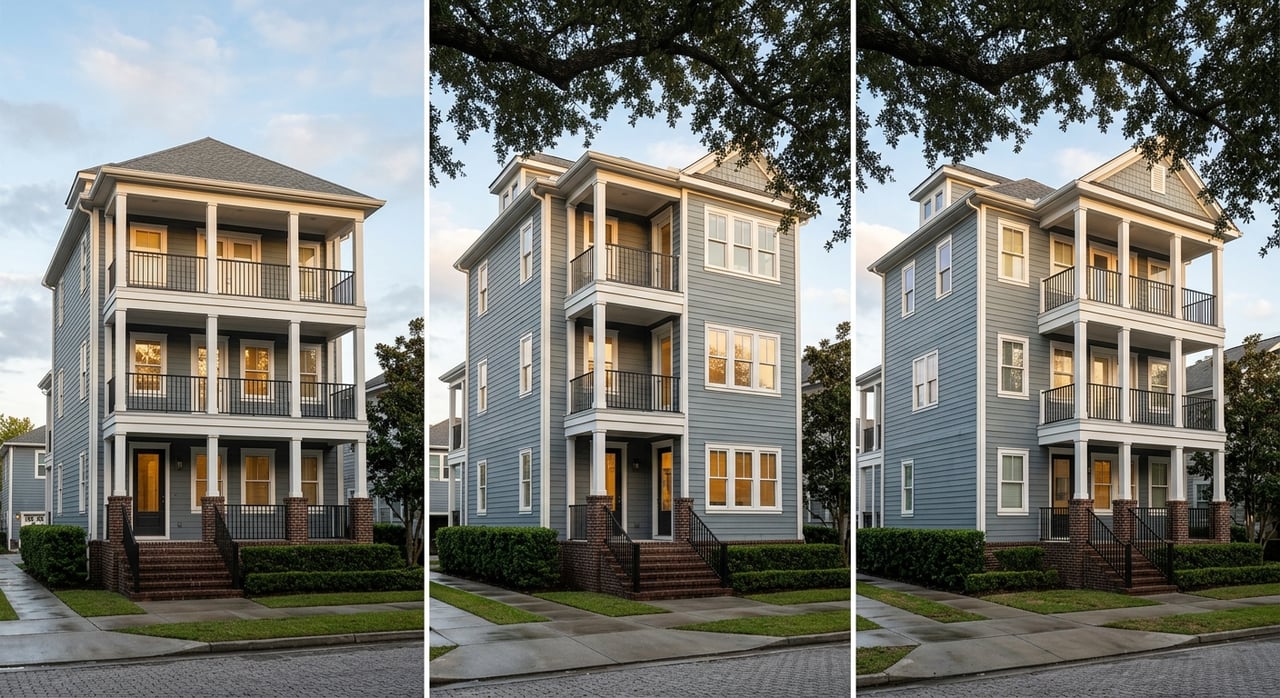
The historic housing stock is mostly one- or two-story single-family homes. Common architectural styles in the Heights historic districts include Queen Anne, Craftsman, Folk National, and Folk Victorian, and many homes feature large windows, prominent front porches, and pier-and-beam foundations.
If you love charm, that older housing stock is part of the appeal. Homes on Heights Boulevard and the parallel streets of Yale and Harvard also tend to be larger than homes on other residential streets, so a walkable address does not always mean giving up square footage.
At the same time, current inventory includes more low-maintenance choices. Recent Redfin data showed 19 condos, 40 townhouses, and 15 multi-family units for sale in Greater Heights, which gives buyers a range of options depending on lifestyle and upkeep preferences.
What Walkable Buyers Should Budget For
Greater Heights remains an inner-loop premium market. If walkability is a priority, you should be prepared for pricing that reflects that demand.
Zillow reported a Greater Heights home value of $616,629 as of June 30, 2026, with homes going pending in about 28 days. Redfin reported a median sale price of $699,265 for May 2026 and described the market as somewhat competitive, with some homes receiving multiple offers.
Because those sources use different methods, the clean takeaway is this: buyers should expect the neighborhood to land roughly in the mid-$600,000s to around $700,000, depending on the block and property type. Homes closer to the most walkable pockets may draw especially strong interest.
How to Evaluate Walkability During Showings
A listing can say “Heights,” but that alone does not tell you how the block works on foot. If walkability matters, it is worth slowing down and looking past the photos.
Walk the Actual Route
Check the real route to the places you expect to use every week. That might include coffee shops, restaurants, parks, the trail, or simple errands.
This matters because retail and activity are concentrated in specific corridors. A home may be in Greater Heights but still feel more car-dependent if your most-used destinations are not comfortably reachable on foot.
Study the Street Experience
Pay attention to the features that make walking pleasant. Look at porch depth, front-door orientation, sidewalk continuity, setbacks, and whether the street feels shaded and human-scaled.
In the Heights historic districts, front porches, large windows, and raised pier-and-beam foundations are common. Those details can shape how connected a home feels to the street and how enjoyable it is to spend time outdoors.
Ask About Historic District Rules
If you are considering updates, confirm whether the property sits in a historic district or has deed restrictions. The city notes that exterior changes in historic districts require approval, and some properties may also be subject to neighborhood or deed-restriction rules.
That does not have to be a drawback. In many cases, the blocks with the strongest street character and walking experience are also the ones with more exterior-control rules. You just want clarity before you buy.
Which Buyers May Like Greater Heights Most
Greater Heights can appeal to a wide range of buyers, but it is especially attractive if you want convenience, character, and an active neighborhood feel. You may be a good fit if you want to be near trails, parks, and local businesses without relying on your car for every outing.
It can also work well if you are choosing between home styles. Some buyers prefer a historic single-family home with porch appeal and older-block charm, while others want the lock-and-leave ease of a townhome, condo, or newer infill property.
The key is matching your home type to your version of walkable living. For some people, that means being steps from 19th Street. For others, it means easy trail access and a lower-maintenance property near Heights Boulevard or Yale.
Bottom Line for Buyers
Walkable living in Greater Heights is real, but it is highly location-specific. The strongest pockets are generally near 19th Street, Heights Boulevard, Yale, the Donovan Park and Heights Mercantile area, and the 11th and 20th Street corridors.
If you are buying here, think beyond the ZIP code or neighborhood label. Focus on the exact block, the route to your everyday destinations, the housing style that fits your lifestyle, and any exterior rules that could affect future plans.
When you take that approach, you can find a home that delivers not just a Greater Heights address, but the daily rhythm you actually want. If you are exploring walkable options in Houston and want practical guidance on the right fit, Kesley Flanagan is here to help.
FAQs
Which parts of Greater Heights are most walkable for buyers?
- The clearest walkable pockets are near 19th Street, Heights Boulevard, Yale, the Donovan Park and Heights Mercantile area, and the 11th and 20th Street corridors.
What home types support low-maintenance living in Greater Heights?
- Townhomes, condos, and newer infill homes often offer the most lock-and-leave convenience, while historic single-family homes typically offer more character and traditional street presence.
What should buyers expect to pay in Greater Heights?
- Current pricing points to a premium inner-loop market, with homes landing roughly in the mid-$600,000s to around $700,000 depending on block and property type.
What should buyers check during a Greater Heights home showing?
- Walk the route to the places you plan to use often, and pay attention to sidewalk continuity, porch orientation, setbacks, shade, and the overall feel of the street.
Do historic district rules affect Greater Heights homes?
- Yes, some properties are in historic districts where exterior changes require approval, and some may also have deed restrictions that affect additions or exterior appearance.